Books moduleActive picksFor Energy
Books for your next step
Reading paths connected to your state, goals, and current intention.
Start here
A reading layer designed to help you choose the next book with intention, not overload.
Disclosure: we may earn a commission if you buy through this link.
Book library
9
ProductivityMindsetFor Energy
Drained
Leah Ruppanner
Sociologist Leah Ruppanner explains why so many people, especially women, feel constantly drained and provides science-backed strategies to reduce mental load, redistribute care work, and reclaim time and energy.
Why it matters
This book matters because it validates the invisible labor that exhausts millions and offers practical solutions grounded in research for reducing mental load and achieving better balance.
Who it is for
It is for overwhelmed individuals and couples who want to understand the science of burnout and implement fair, sustainable systems for managing life's demands.
Key idea
The core idea is that mental load—the invisible planning and organizing—is as draining as physical labor, and reducing it requires systemic changes in how we distribute care work.
Affiliate PicksBoost Productivity
MindsetWell-BeingFor Energy
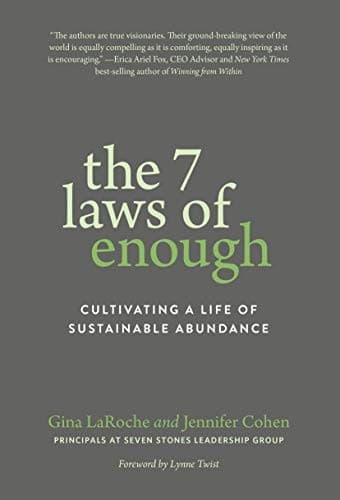
The 7 Laws of Enough
Jennifer Cohen, Gina LaRoche
Jennifer Cohen and Gina LaRoche reveal seven powerful principles for finding sufficiency and satisfaction in a culture of scarcity, showing how shifting from 'more' to 'enough' creates lasting fulfillment and impact.
Why it matters
This book matters because it offers an antidote to the exhausting pursuit of more by showing how embracing enough creates genuine satisfaction and sustainable success.
Who it is for
It is for overwhelmed achievers who want to break free from the endless pursuit of more and discover sufficiency, balance, and meaningful contribution.
Key idea
The core idea is that by recognizing and living from a place of enough, you free yourself from scarcity thinking and unlock creativity, generosity, and true abundance.
Affiliate PicksStrengthen Mindset
MindsetResilience
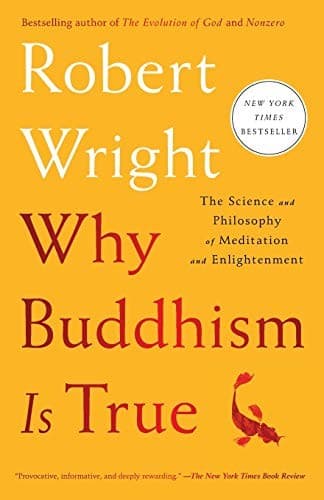
Why Buddhism Is True
Robert Wright
Robert Wright combines Buddhist philosophy with modern psychology and evolutionary science to show why Buddhist insights into the human mind are remarkably accurate and practically useful for finding happiness.
Why it matters
This book matters because it demonstrates that ancient Buddhist practices like meditation are validated by modern science and offer real solutions to modern suffering.
Who it is for
It is for skeptics and curious minds who want a rational, science-backed understanding of why Buddhist practices work and how to apply them.
Key idea
The core idea is that our minds evolved to create illusions that cause suffering, and Buddhist meditation helps us see through these illusions to find clarity and peace.
Affiliate PicksStrengthen Mindset
MindsetResilience
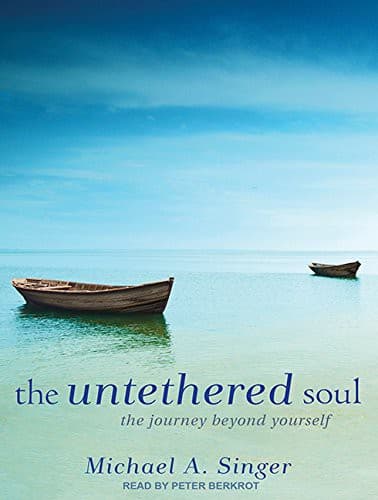
The Untethered Soul
Michael Singer
Michael Singer explores the question of who we are beyond our thoughts and emotions, offering a profound journey into consciousness and the possibility of living free from internal limitations.
Why it matters
This book matters because it shows how to break free from the habitual thoughts and emotions that limit your experience and discover lasting inner peace.
Who it is for
It is for spiritual seekers and anyone who wants to understand the nature of consciousness and experience greater freedom, joy, and peace in daily life.
Key idea
The core idea is that you are not your thoughts or emotions but the consciousness observing them, and by recognizing this you can release their grip on you.
Affiliate PicksStrengthen Mindset
MindsetHabits
The Power of Fun
Catherine Price
Science journalist Catherine Price reveals why true fun—the confluence of playfulness, connection, and flow—is essential for well-being and provides a practical framework for bringing more of it into daily life.
Why it matters
This book matters because it shows that fun isn't frivolous but fundamental to health, happiness, and resilience, especially in our overscheduled, screen-filled lives.
Who it is for
It is for burned-out adults who've forgotten how to have fun and want to reclaim joy, energy, and meaning in both work and personal life.
Key idea
The core idea is that true fun requires three elements—playfulness, connection, and flow—and by intentionally creating conditions for these, you can transform your daily experience.
Affiliate PicksStrengthen Mindset
MindsetWell-Being
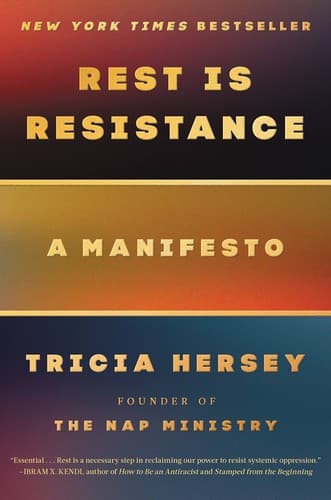
Rest Is Resistance
Tricia Hersey
Tricia Hersey, founder of The Nap Ministry, presents rest as a radical act of resistance against grind culture and white supremacy, showing how rest is a form of justice, liberation, and reclaiming our humanity.
Why it matters
This book matters because it reframes rest not as laziness but as a revolutionary practice essential for healing from systems designed to extract our life force.
Who it is for
It is for exhausted activists, creatives, and workers who need permission to rest and want to understand rest as spiritual practice and social justice.
Key idea
The core idea is that rest is resistance against capitalism and oppression, and by resting we reclaim our bodies, time, and right to simply be human.
Affiliate PicksBuild Balance
RelationshipsMindset
Secure
Amir Levine
Psychiatrist Amir Levine reveals how understanding attachment styles—secure, anxious, and avoidant—transforms relationships by helping you recognize patterns and build healthier, more fulfilling connections.
Why it matters
This book matters because it provides a science-backed framework for understanding why relationships succeed or fail and offers practical tools for creating secure attachments.
Who it is for
It is for anyone who struggles with relationship patterns, wants to understand their attachment style, or seeks to build more stable and satisfying romantic relationships.
Key idea
The core idea is that recognizing and working with your attachment style—rather than against it—is the key to finding and maintaining healthy, lasting love.
Affiliate PicksBuild Relationships
MindsetResilience
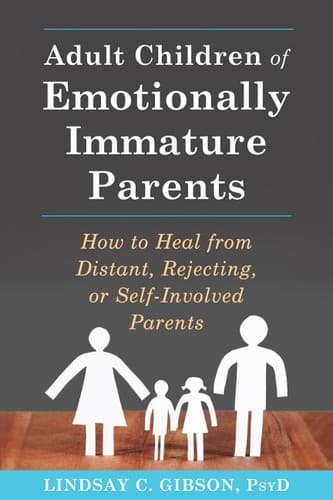
Adult Children of Emotionally Immature Parents
Lindsay C. Gibson
Psychologist Lindsay Gibson helps adult children of emotionally immature parents understand the damage caused by parental emotional unavailability and provides strategies for healing and setting healthy boundaries.
Why it matters
This book matters because it validates the experiences of those raised by emotionally unavailable parents and offers a path to healing childhood wounds and building healthier relationships.
Who it is for
It is for adults who grew up feeling emotionally neglected or unseen and want to understand how their upbringing affects them and how to break free from those patterns.
Key idea
The core idea is that recognizing parental emotional immaturity helps you stop taking responsibility for their limitations and start reclaiming your own emotional life.
Affiliate PicksStrengthen Mindset
HabitsMindset
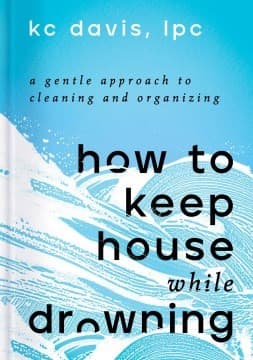
How to Keep House While Drowning
KC Davis
Therapist KC Davis offers a revolutionary approach to care tasks and home management that prioritizes mental health over perfectionism, showing that struggle with housekeeping is a morality-neutral experience.
Why it matters
This book matters because it frees people from shame around housekeeping struggles and provides compassionate, practical strategies that actually work for neurodivergent and overwhelmed individuals.
Who it is for
It is for anyone who feels like they're drowning in household tasks and needs permission to care for themselves while finding sustainable systems that fit their reality.
Key idea
The core idea is that care tasks are morally neutral and that the goal is to create functional spaces that serve you, not to achieve Pinterest-perfect homes.
Affiliate PicksBuild Balance